

Authors

June 30th, 2026
Who you are is how you lead
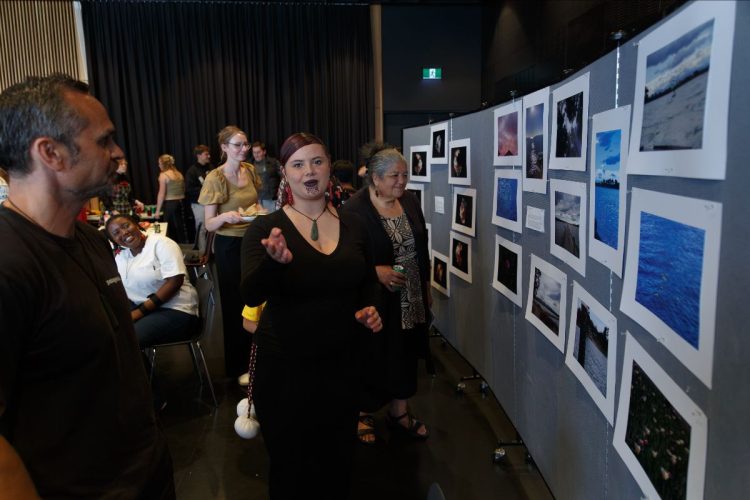
For some rangatahi in our Puāwai whānau there is a moment that happens where their focus shifts from ‘me’ to ‘we’ and from a place of self-discovery to contribution.
We’ve seen this in the form of Junior Tuākana in the past, or in the roles and kaupapa young people go on to get involved with once the programme is completed. Sometimes this development happens in the wānanga, sometimes it’s as early as the strengths coaching sessions, and sometimes it’s once the programme has finished all together and they start thinking about their next steps.
And as it turns out, with record numbers of rangatahi wanting to keep returning to the kaupapa – maybe one programme isn’t enough to meet the demand. Rangatahi aren’t wanting to leave, and they are wanting the opportunity to go deeper.
Since 2019 Puāwai has been asking the question: how do we support diverse rangatahi – those who have done the mahi but not yet got the recognition – to step into their potential? Over the years the answer has evolved and the programme has looked very different. In 2024 we shifted from a nine-month programme to a five-month cohort and each time we’ve let the rangatahi tell us what they needed… and each time the programme has become more of what they need it to be.
This year we’re following the signal again and in 2026 are launching the Puāwai Tuākana programme – a structured leadership pathway for returning alumni who are stepping from rangatahi into tuākana roles. Stepping from knowing their strengths into wielding them in service of others.
Youth participation in action
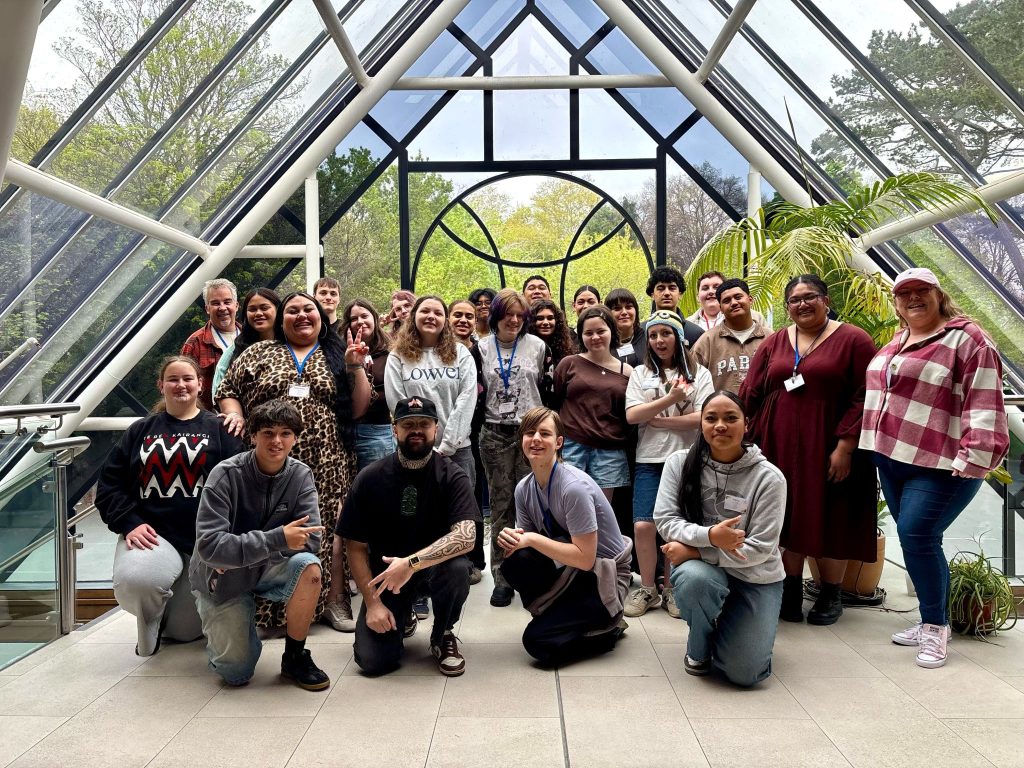
Good practice youth participation recognises young people as valued contributors to society, not as recipients of programmes designed for them but as people with agency in the decisions and spaces that affect them. True youth participation done well isn’t a consultation exercise or a token seat at the table – it’s what happens when young people are genuinely trusted to navigate and shape the world around them.
The Puāwai Tuākana programme is what this looks like in practice. The rangatahi stepping into tuākana roles this year aren’t being placed into a leadership script to play a certain part. They are co-designing the standard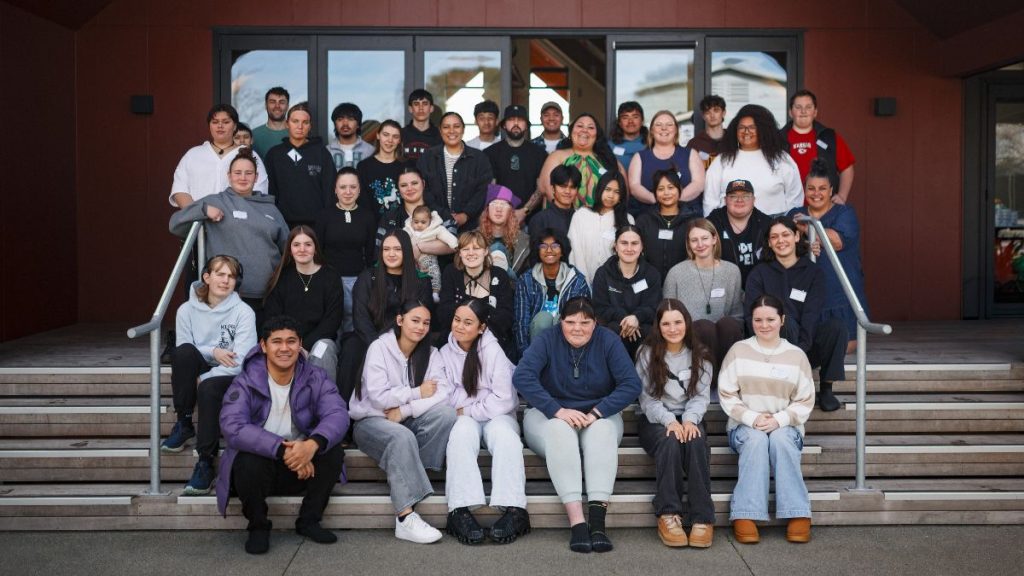 Puāwai programme using their own experiences as a resource, shaping how the next cohort of rangatahi are recruited and welcomed, and leading in more genuine and authentic ways that align with their own strengths and goals.
While we hope this programme serves as a pipeline into future work or leadership experience and opportunities, it’s more about preparing our Tuākana to be ready to contribute in meaningful ways. They’re already contributing – to netball teams, supporting their peers in school, studying health and wellbeing, navigating systems that weren’t designed for them – and they’re doing it with the clarity of knowing their strengths. We’re just wanting to create the structure and space for that contribution to go even further and deeper to help influence positive change in the systems and people around them.
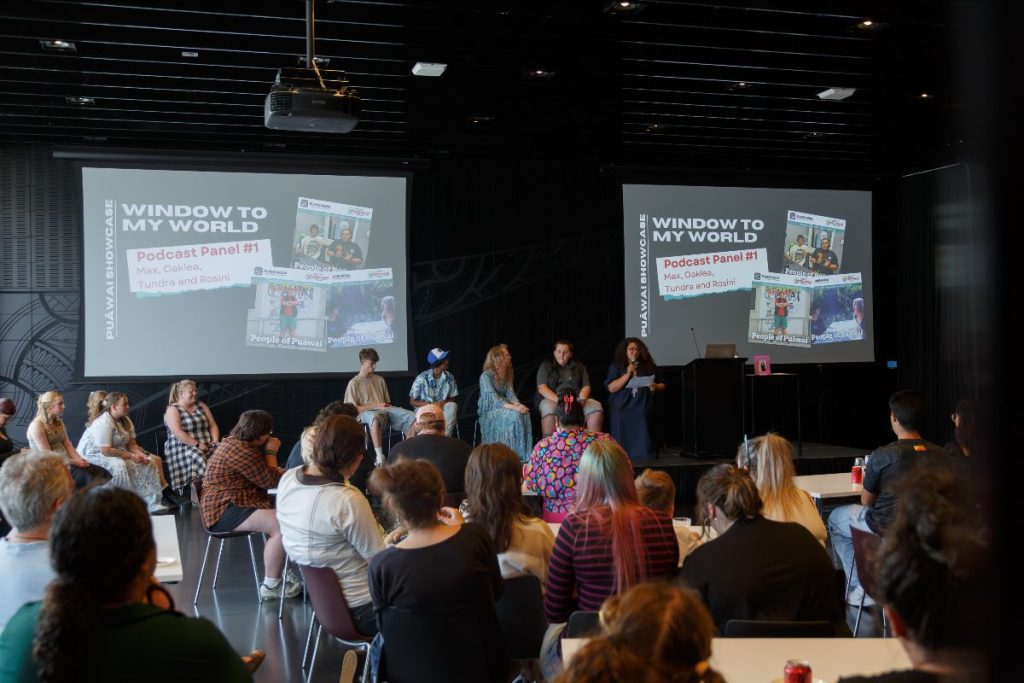
What strikes me most, reading through the applications from our incoming Tuākana, is how clearly they can name the gaps – in themselves, and in their communities. One wants to learn how to lead without taking over. Another wants care-experienced rangatahi to have the same chance to know themselves that Puāwai gave them. One writes about wanting to support younger queer tamariki and rangatahi “from someone who understands”. Another says simply “I don’t want any more kids to give up before we’ve even started”.
These are not abstract aspirations they are the aspirations of young people who have been shaped by the Puāwai experience and are now ready to extend that learning outwards into their schools, their whānau and their communities.
Poipoia te kākano kia puāwai. Nurture the seed and it will blossom. In 2019 we planted this seed and now we’re watching it grow in directions we didn’t predict – but the power in authentic youth participation and youth leadership is following that direction that the seeds grow, and fuelling that energy – and trusting the kākano – because you never know what it might become, or who it might reach, or how far it might grow. And that’s the whole point.
Our Leadership Lab consultant and Puāwai Project Lead Tayla Taylor shares reflections on our learnings in running the Puāwai rangatahi programme over the last 6 years
June 30th, 2026
Who you are is how you lead
For some rangatahi in our Puāwai whānau there is a moment that happens where their focus shifts from ‘me’ to ‘we’ and from a place of self-discovery to contribution.
We’ve seen this in the form of Junior Tuākana in the past, or in the roles and kaupapa young people go on to get involved with once the programme is completed. Sometimes this development happens in the wānanga, sometimes it’s as early as the strengths coaching sessions, and sometimes it’s once the programme has finished all together and they start thinking about their next steps.
And as it turns out, with record numbers of rangatahi wanting to keep returning to the kaupapa – maybe one programme isn’t enough to meet the demand. Rangatahi aren’t wanting to leave, and they are wanting the opportunity to go deeper.
Since 2019 Puāwai has been asking the question: how do we support diverse rangatahi – those who have done the mahi but not yet got the recognition – to step into their potential? Over the years the answer has evolved and the programme has looked very different. In 2024 we shifted from a nine-month programme to a five-month cohort and each time we’ve let the rangatahi tell us what they needed… and each time the programme has become more of what they need it to be.
This year we’re following the signal again and in 2026 are launching the Puāwai Tuākana programme – a structured leadership pathway for returning alumni who are stepping from rangatahi into tuākana roles. Stepping from knowing their strengths into wielding them in service of others.
Youth participation in action
Good practice youth participation recognises young people as valued contributors to society, not as recipients of programmes designed for them but as people with agency in the decisions and spaces that affect them. True youth participation done well isn’t a consultation exercise or a token seat at the table – it’s what happens when young people are genuinely trusted to navigate and shape the world around them.
The Puāwai Tuākana programme is what this looks like in practice. The rangatahi stepping into tuākana roles this year aren’t being placed into a leadership script to play a certain part. They are co-designing the standard Puāwai programme using their own experiences as a resource, shaping how the next cohort of rangatahi are recruited and welcomed, and leading in more genuine and authentic ways that align with their own strengths and goals.
While we hope this programme serves as a pipeline into future work or leadership experience and opportunities, it’s more about preparing our Tuākana to be ready to contribute in meaningful ways. They’re already contributing – to netball teams, supporting their peers in school, studying health and wellbeing, navigating systems that weren’t designed for them – and they’re doing it with the clarity of knowing their strengths. We’re just wanting to create the structure and space for that contribution to go even further and deeper to help influence positive change in the systems and people around them.
What strikes me most, reading through the applications from our incoming Tuākana, is how clearly they can name the gaps – in themselves, and in their communities. One wants to learn how to lead without taking over. Another wants care-experienced rangatahi to have the same chance to know themselves that Puāwai gave them. One writes about wanting to support younger queer tamariki and rangatahi “from someone who understands”. Another says simply “I don’t want any more kids to give up before we’ve even started”.
These are not abstract aspirations they are the aspirations of young people who have been shaped by the Puāwai experience and are now ready to extend that learning outwards into their schools, their whānau and their communities.
Poipoia te kākano kia puāwai. Nurture the seed and it will blossom. In 2019 we planted this seed and now we’re watching it grow in directions we didn’t predict – but the power in authentic youth participation and youth leadership is following that direction that the seeds grow, and fuelling that energy – and trusting the kākano – because you never know what it might become, or who it might reach, or how far it might grow. And that’s the whole point.
Our Leadership Lab consultant and Puāwai Project Lead Tayla Taylor shares reflections on our learnings in running the Puāwai rangatahi programme over the last 6 years
Authors